PetLuv's Current Work

What We Are Already Doing
We currently operate an ambulatory veterinary service across Western Uganda, providing basic treatments, emergency response when called, and sensitization on animal welfare and vaccination.
These efforts have saved many lives and demonstrate that communities respond when services are available.
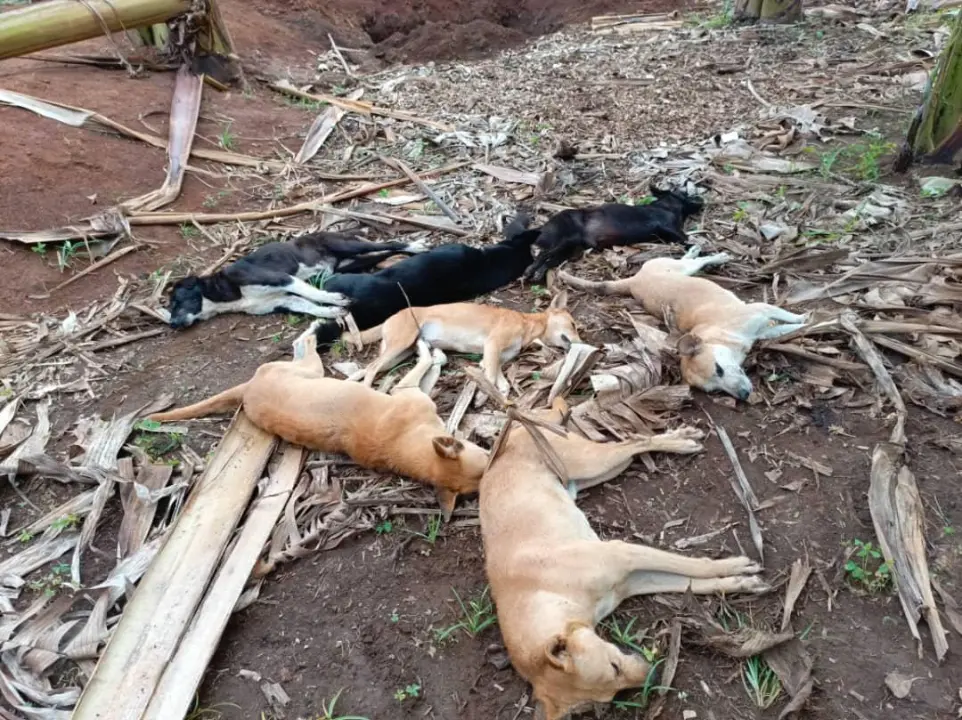
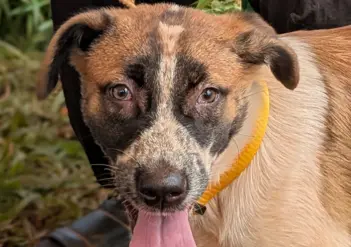
Bringing Lifesaving Veterinary Care to Every Corner
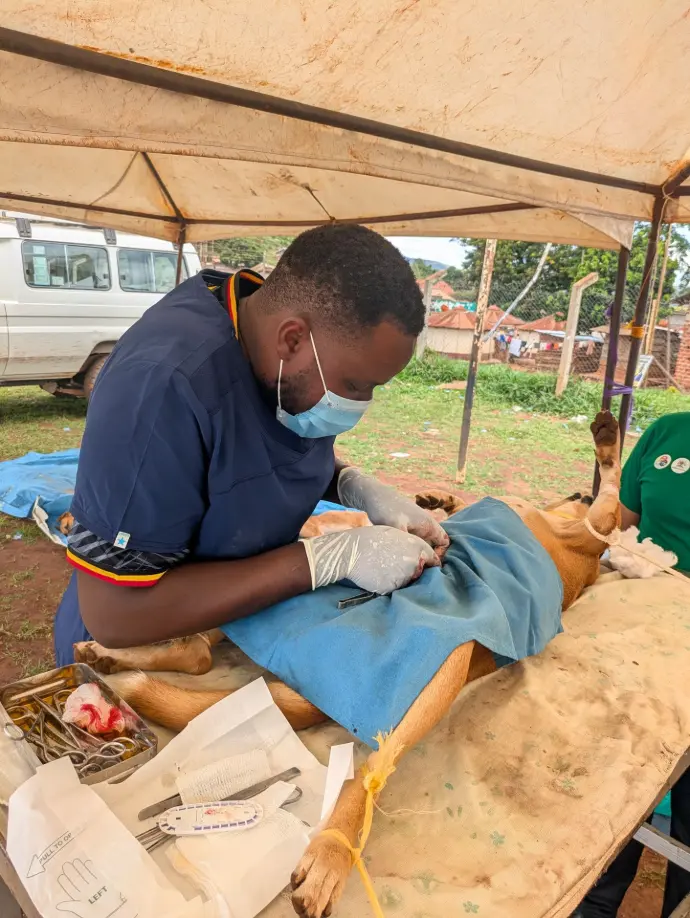
From running field clinics to conducting community vaccination and education, our outreach programs extend to lifesaving procedures delivered in the field despite limited facilities.
Current Work – Field Clinics
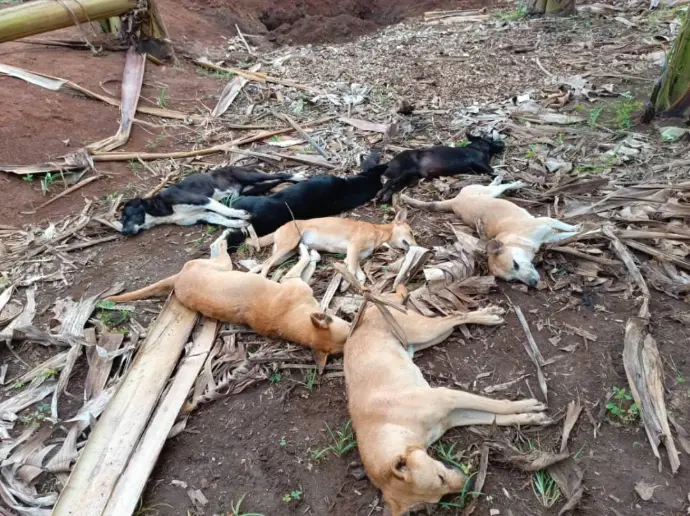
Delivering essential veterinary care directly to communities, offering vaccinations, deworming, and treatment for stray and owned animals across rural areas.
Current Work – World Rabies Day (WRD)
Promoting rabies awareness through vaccination drives, community education, and collaborative outreach to eliminate rabies and protect both humans and animals.
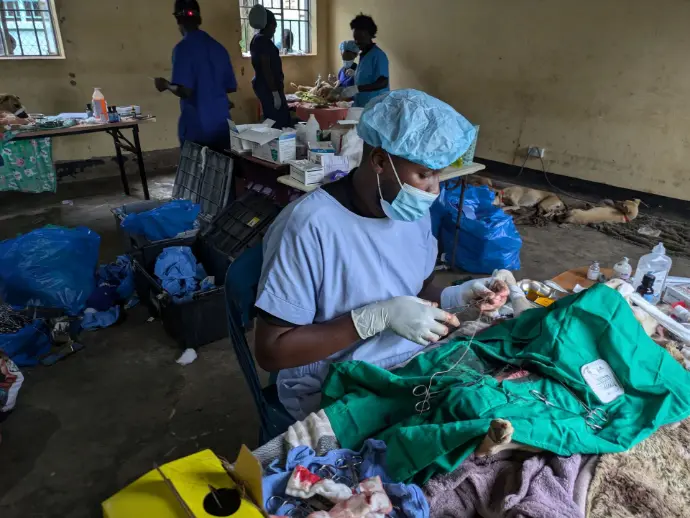
Current Work – World Veterinary Day (WVD)
Celebrating veterinarians’ vital role through public sensitization, advocacy campaigns, and field activities that highlight animal health, welfare, and community safety.
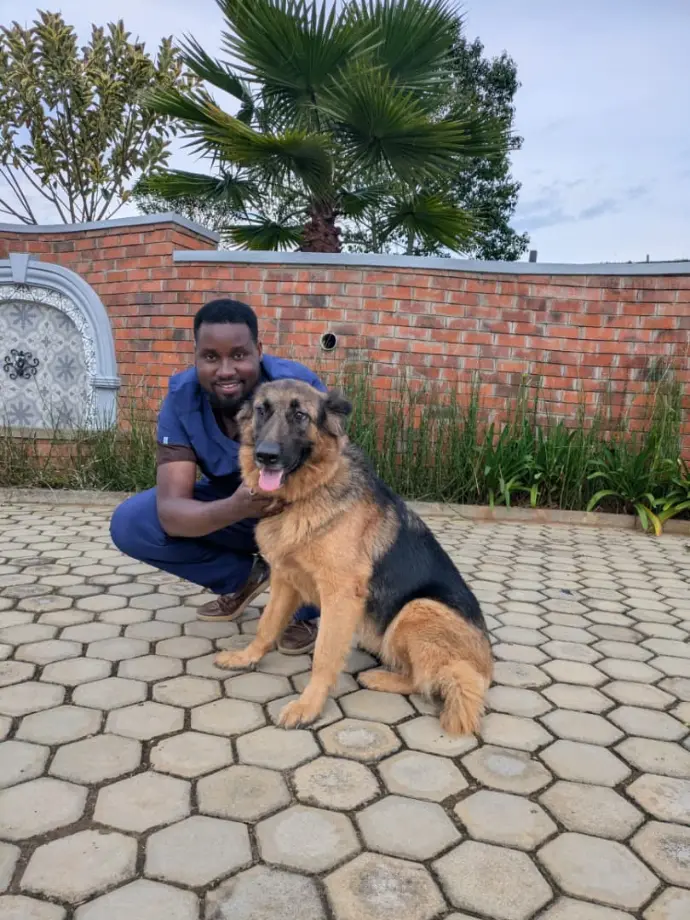
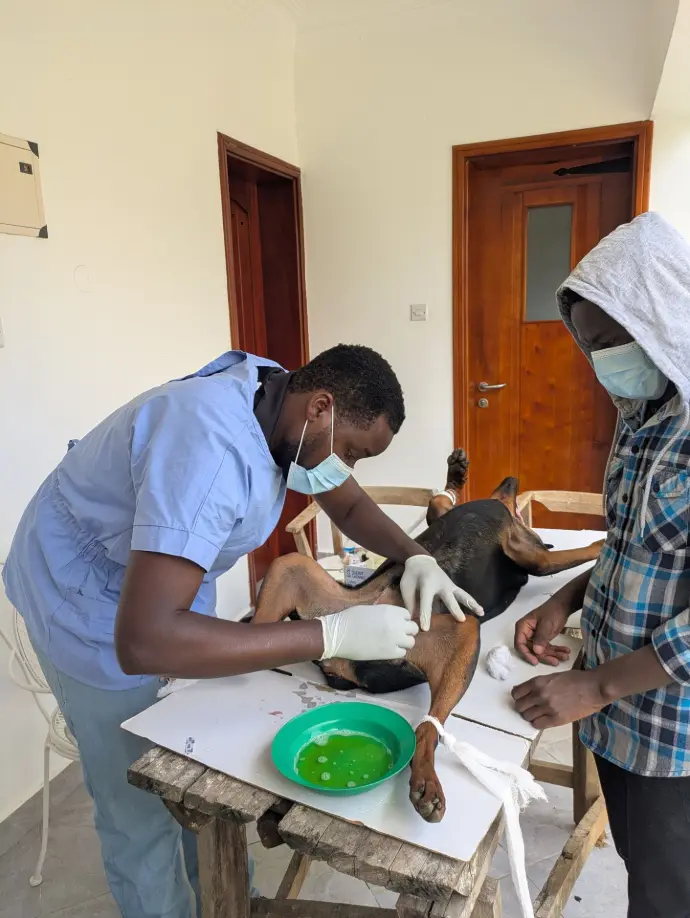
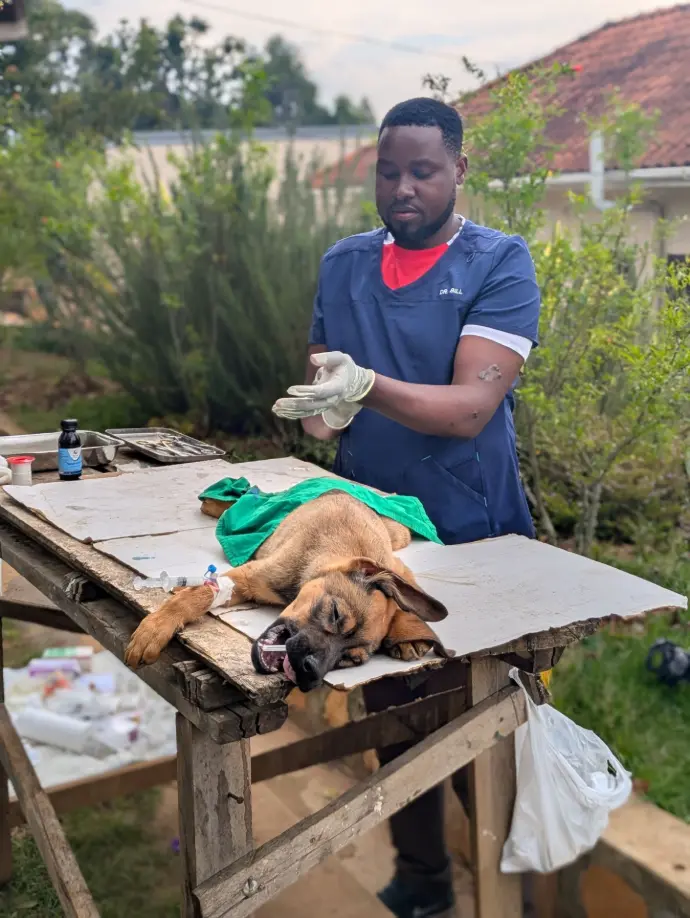
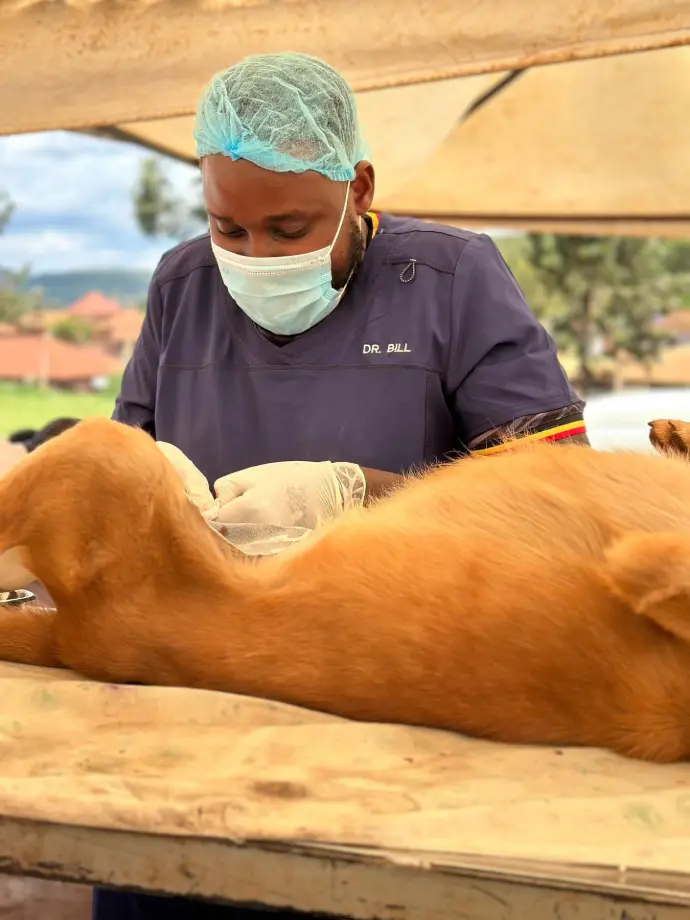
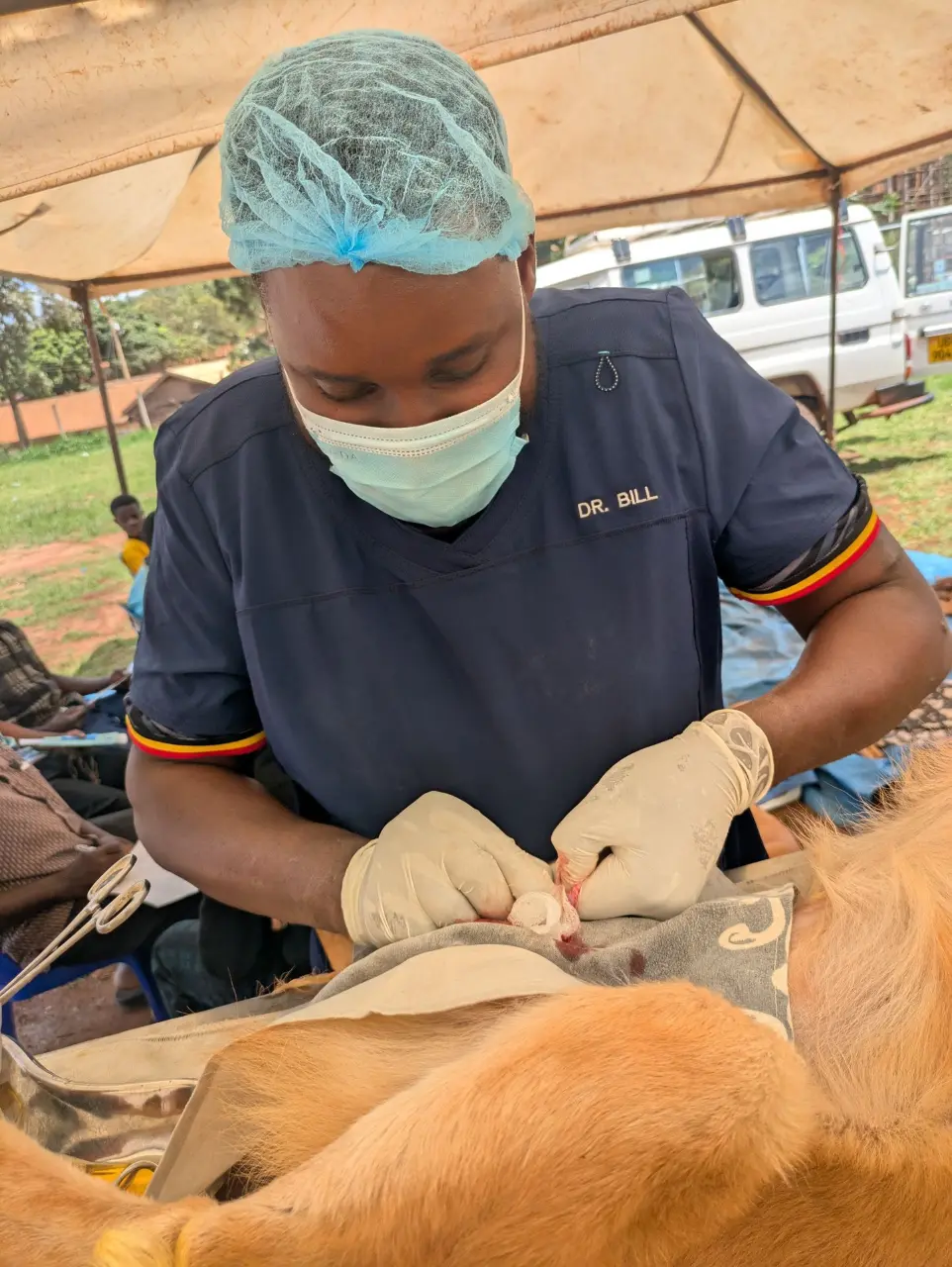
Current Work – Ambulatory Clinics
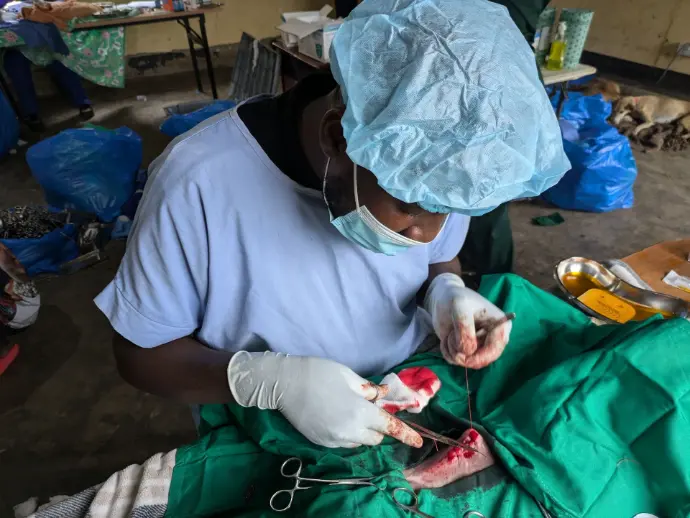
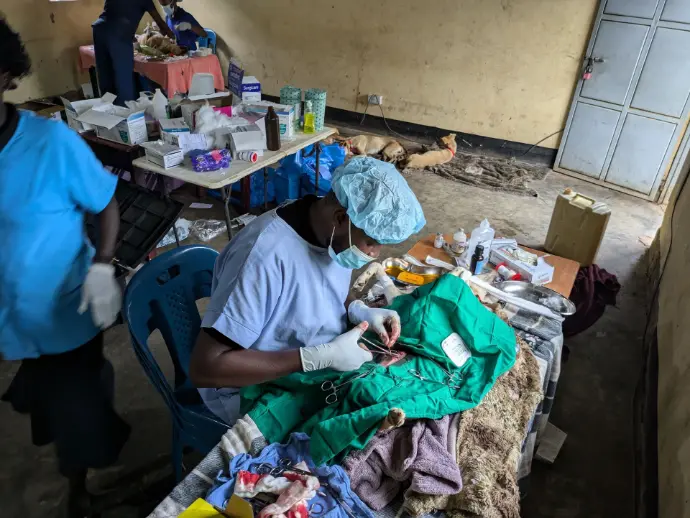
Providing mobile veterinary services in remote areas, ensuring timely care for animals despite challenges of limited space and surgical constraints.
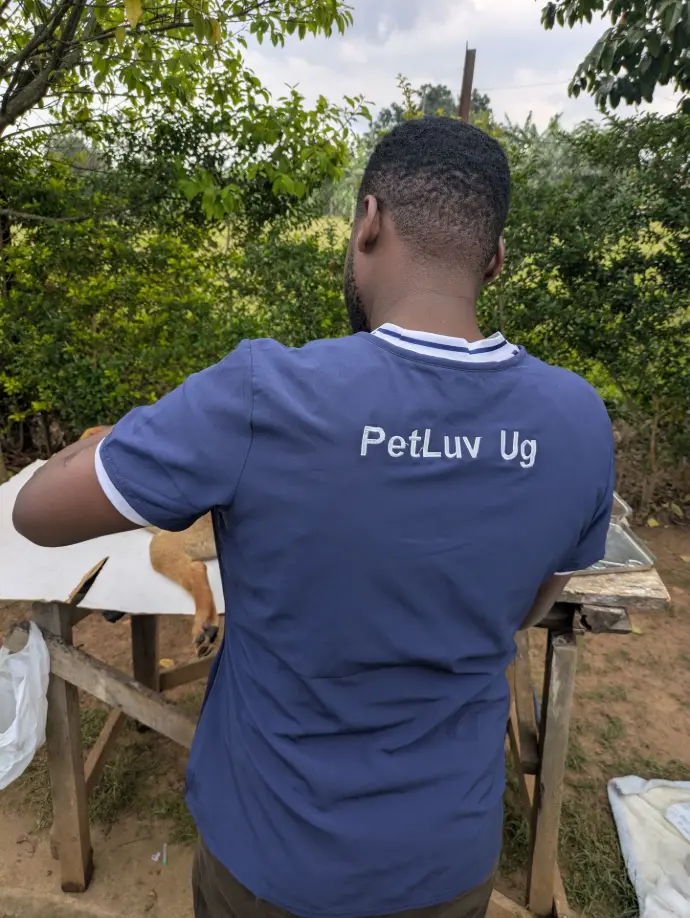
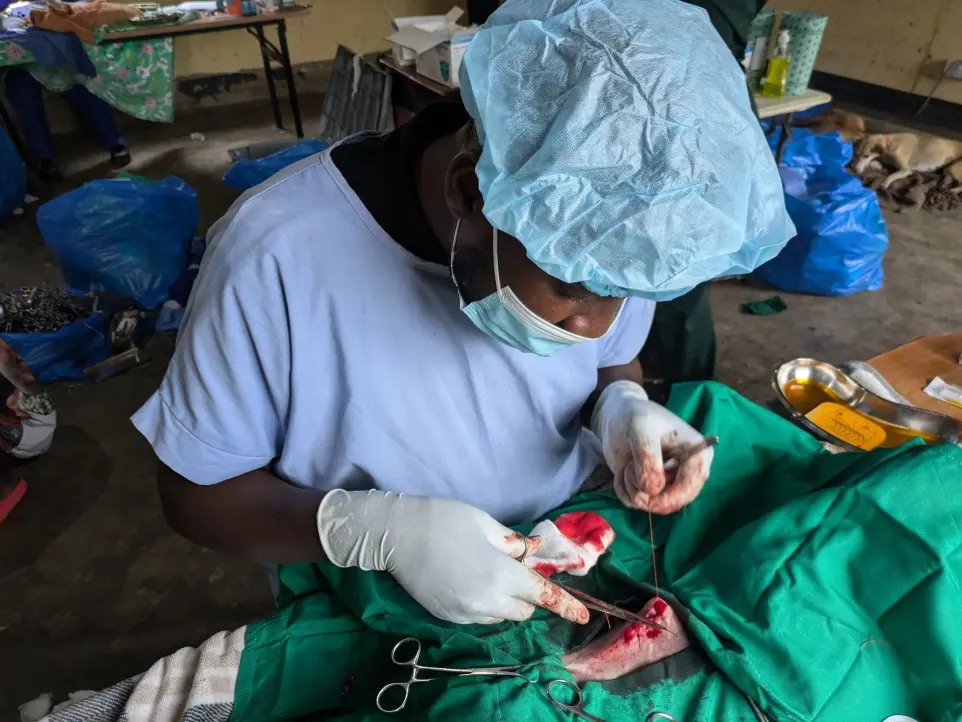
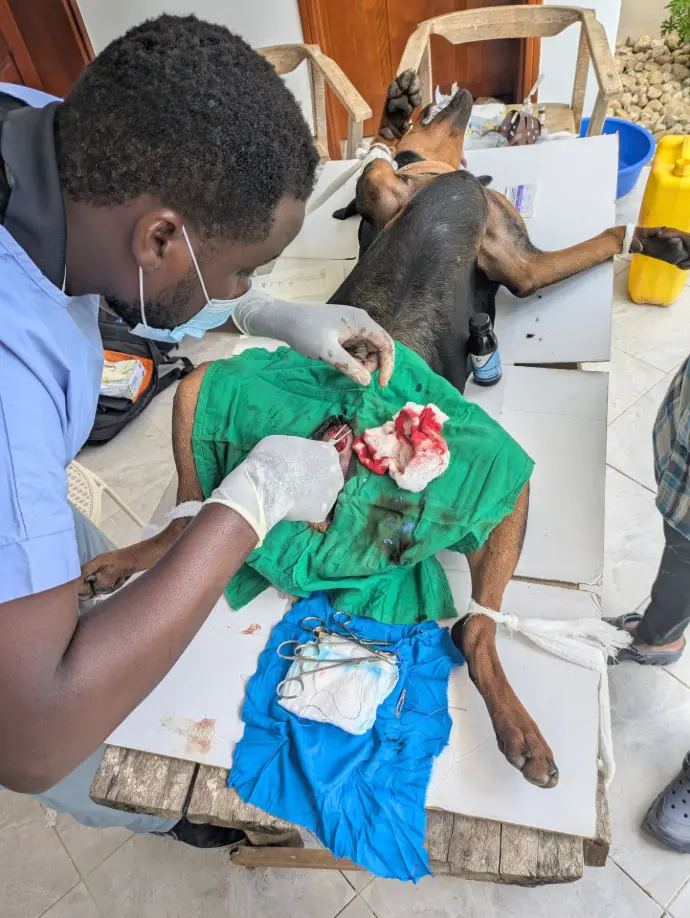
Current Work – Surgeries
Performing critical surgeries to save injured or sick animals, often under constrained conditions, showcasing dedication, skill, and compassion in action.
Our Limitations
Explore the challenges we are facing in our effort to make the world a better place.
No fixed location
Without a clinic, we cannot admit patients or provide intensive care.
Insufficient funding
Medicines, vaccines, transport, and rescue operations exceed current capacity.
No shelter capacity
We cannot rescue or house abandoned and injured animals.
Limited manpower
A single doctor cannot cover multiple locations simultaneously.
Lack of equipment
We lack surgical tools and facilities for routine spay/neuter and advanced care.
Insufficient funding
Medicines, vaccines, transport, and rescue operations exceed current capacity.